History of Kayak

The kayak was first created by the Inuit, an artic people. Their first kayaks were made from wooden frames covered in sealskin. They included a small hole in the middle craft for the user to sit in and were primarily used for hunting. These early kayaks varied greatly in design from region to region. Two common ones are show at left. The top image is of a kayak from the Bering Strait area, which was short and wide, had a large storage capacity, and was very stable and easy to use. The lower one was designed by the Aleuts at it was long, fast, and seaworthy.
The materials that have been used to make a kayak have changed significantly with the years. Many early kayaks used wooden frames covered in skin for their materials. However, with the ship's adoption by European settlers, they were covered in fabric. This method continued until the 1950's when fiberglass was introduced, and then in 1984, the first plastic kayak was made. At present, kayaks are sturdy, light, and very versatile.
The modern interest in canoeing and kayaking as a recreation and sport was brought about by John MacGregor, who designed the Rob Roy in 1845, a canoe he based off sketchings of Inuit canoes and kayaks. MacGregor later formed the Canoe Club in 1866 with other canoe and kayak enthusiasts, and they brought about competitive canoeing with their first regatta in 1873. Kayaking became a part of the Olympics in 1936, with the introduction of four events, the single and pairs 1,000 meter and 10,000 meter race. Later, the white-water race and slalom events were added to the Olympics also.
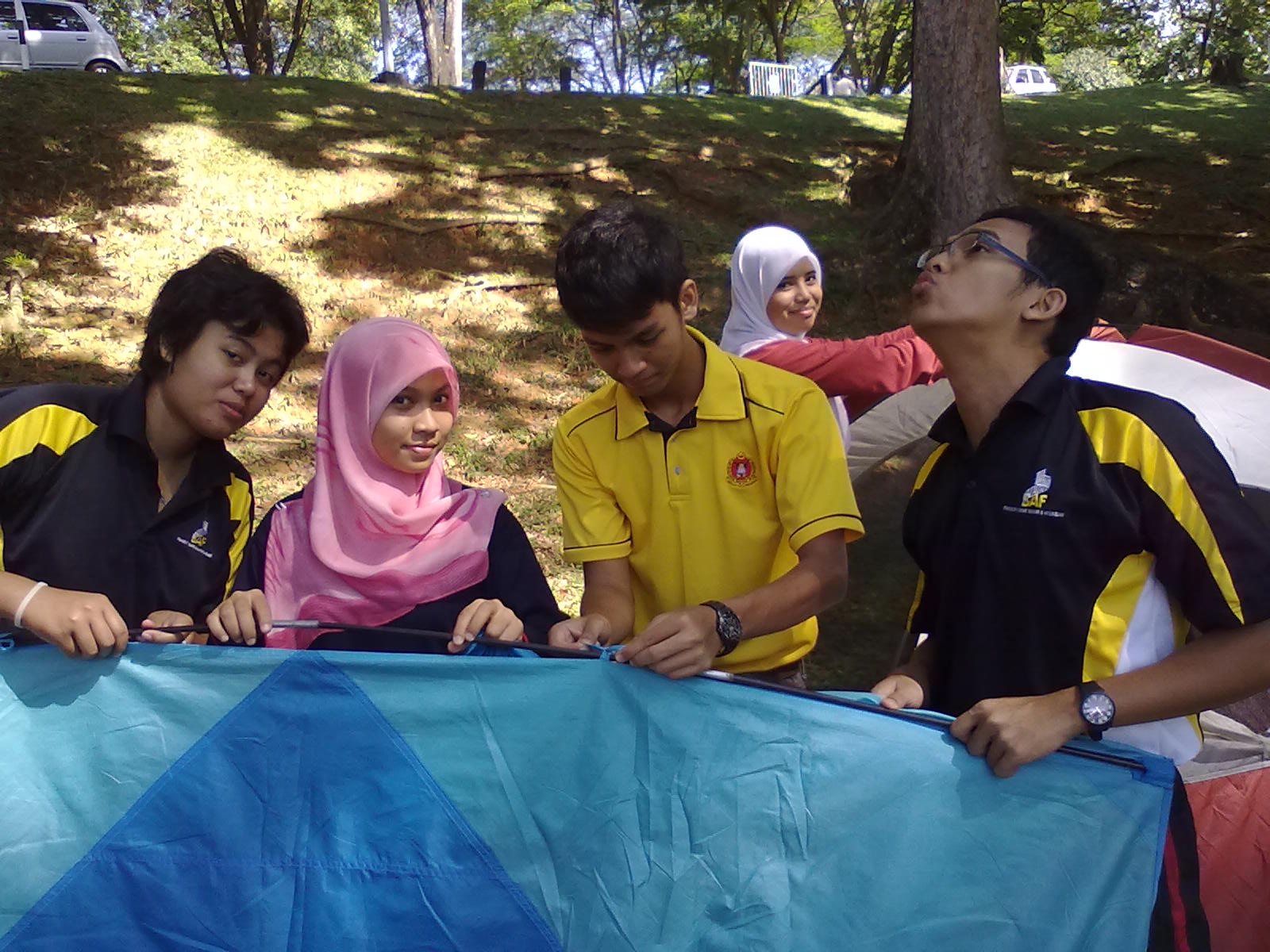
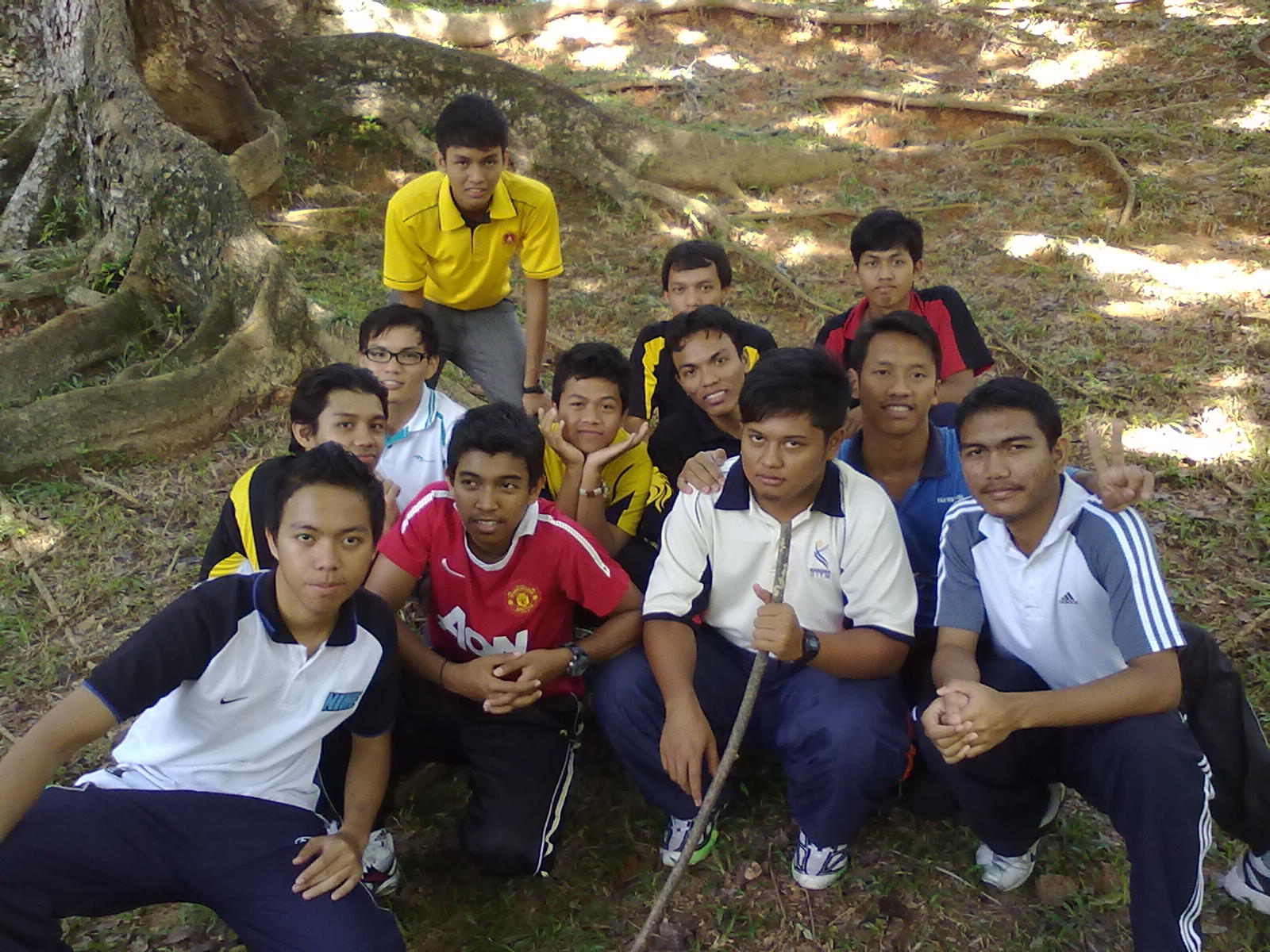
Kayaking in Shah Alam
It was very enjoyable. we learned how to paddle correctly. Here some proper ways to kayak that we had learned.
Entering the Kayak
Enter the kayak from shallow water. Have a partner stabilize the boat. Sit down and extend your legs. Rest your feet on the footrest with your knees slightly bent for best leverage.
Holding the Paddle
Hold your paddle correctly. The concave part of the blade should face toward you and the writing on the blade should be legible, ensuring the paddle isn't upside down.
Get a Grip
Develop your "control grip" with your dominant hand. Your control hand grips the paddle shaft at all times, firmly, but not too tightly. Your other hand maintains a looser grip between strokes that allows the paddle to rotate. For these instructions, we'll assume the paddler is right-handed.
Here some ways to paddle that we had learned
- Reverse Sweep
This movement helps you make a quick turn. Using the back of the paddle and put a lot of power into it, linking the two paddle strokes to create a quick turn.
- Stern Draw
You must move your paddle in a full 180 degree arc from the bow to the stern to create this movement. Do not hold the paddles at a lifting angle, this only creates water to be lifted and doesn't turn the stern around. Twist your torso with your movement of the strokes.
- Forward Sweep
Developing the perfect forward sweep will allow to to kayak at your best. It is a movement that allows you to turn the boat The paddle needs to be swept out in a wide arc. Start by edging to the side on which you will sweep the paddle. Keep your onside arm straight to help make this move. Finish with your body facing the sweep side and paddle over the water to stabilize your kayak.